




Stroke Warning Signs: 7 Symptoms You Should Never Ignore
A stroke is a serious medical condition that needs immediate medical attention. It happens when the blood supply to a part of the brain is blocked or when a blood vessel in the brain breaks. Without enough blood and oxygen, brain cells can become damaged within minutes.
Many people ignore the early signs of a stroke because they do not understand how serious the symptoms can be. However, getting medical help quickly can make a major difference in treatment and recovery.
If you or someone in your family suddenly experiences weakness, difficulty speaking or changes in vision, do not wait for the symptoms to disappear.
For people searching for the best hospital in Durgapur, knowing the warning signs of a stroke and understanding where to get emergency medical care can help during a difficult situation.
What Is a Stroke?
A stroke happens when blood cannot reach a part of the brain properly. This can happen because of a blocked blood vessel or bleeding inside the brain.
There are two main types of stroke.
1. Ischemic Stroke
An ischemic stroke happens when a blood clot blocks a blood vessel that supplies blood to the brain. It is the most common type of stroke.
The blockage reduces the supply of oxygen and nutrients to brain cells, which can cause damage if treatment is delayed.
2. Hemorrhagic Stroke
A hemorrhagic stroke happens when a blood vessel inside the brain breaks and causes bleeding.
High blood pressure is one of the important risk factors for this type of stroke.
Both types of stroke are medical emergencies and require immediate evaluation by doctors.
7 Early Warning Signs of a Stroke You Should Never Ignore
Stroke symptoms usually appear suddenly. Recognising these signs can help you get medical attention without wasting time.
1. Sudden Weakness in the Face, Arm or Leg
Sudden weakness or numbness on one side of the body is one of the common warning signs of a stroke.
You may notice:
- One side of the face looks uneven.
- One arm feels weak.
- One leg becomes difficult to move.
- A person cannot raise both arms equally.
Ask the person to smile. If one side of the face droops, it may be a sign of a stroke.
Do not ignore sudden weakness, even if the person is still able to walk or talk.
2. Difficulty in Speaking or Understanding Words
A person having a stroke may suddenly find it difficult to speak or understand others.
Some common signs include:
- Slurred speech.
- Difficulty forming simple sentences.
- Trouble understanding conversations.
- Confused or unclear communication.
If someone suddenly starts speaking differently, seek emergency medical help.
3. Sudden Blurred Vision
A stroke can affect the parts of the brain responsible for vision.
A person may experience:
- Blurred vision.
- Double vision.
- Sudden loss of vision in one or both eyes.
- Difficulty seeing objects clearly.
Sudden changes in vision should never be ignored, especially when they occur with other stroke symptoms.
4. Severe and Sudden Headache
A sudden and extremely severe headache can sometimes be a warning sign of a hemorrhagic stroke.
Other symptoms may include:
- Vomiting.
- Neck stiffness.
- Confusion.
- Dizziness.
- Loss of consciousness.
A sudden severe headache, especially one that feels different from previous headaches, needs urgent medical attention.
5. Difficulty Walking or Maintaining Balance
A stroke can affect the parts of the brain that control movement and coordination.
You may notice:
- Sudden dizziness.
- Difficulty walking straight.
- Loss of balance.
- Trouble standing properly.
- Poor coordination.
If these problems appear suddenly, do not assume they are caused by tiredness or weakness.
6. Sudden Confusion
A person having a stroke may suddenly become confused or have trouble understanding simple instructions.
They may find it difficult to:
- Understand conversations.
- Answer simple questions.
- Remember basic information.
- Recognise their surroundings.
Sudden confusion can be a warning sign that requires immediate medical assessment.
7. Sudden Numbness on One Side of the Body
A stroke may affect the nerves responsible for movement and sensation.
A person may suddenly experience:
- Numbness in one arm.
- Tingling in one leg.
- Reduced feeling on one side of the face.
- Difficulty controlling one side of the body.
If these symptoms appear suddenly, do not delay medical care.
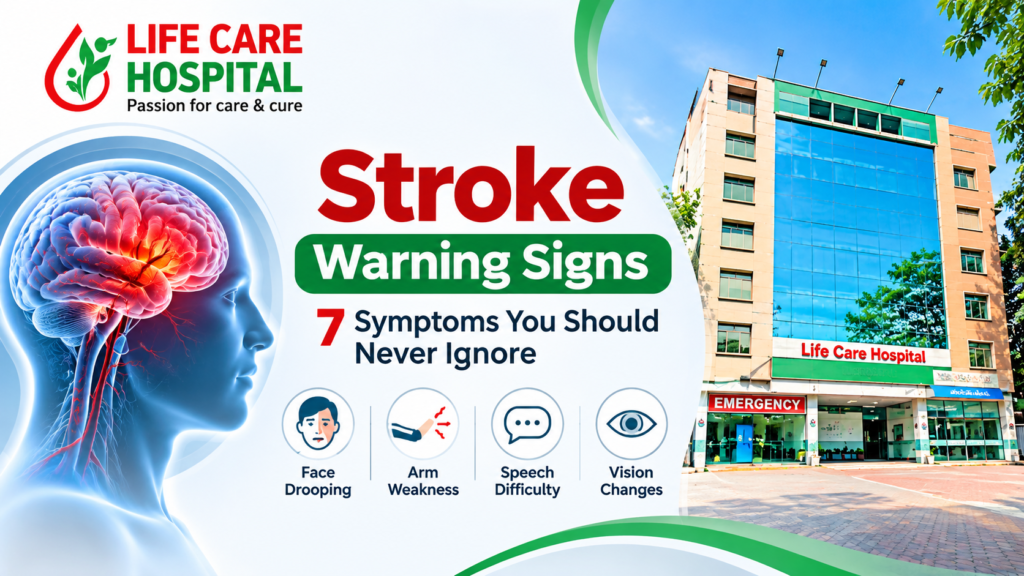
Remember FAST: A Simple Way to Recognise Stroke
The FAST method is an easy way to remember the main warning signs of a stroke.
F – Face Drooping
Ask the person to smile. Does one side of the face droop?
A – Arm Weakness
Ask the person to raise both arms. Does one arm fall or feel weak?
S – Speech Difficulty
Ask the person to repeat a simple sentence. Is their speech unclear or difficult to understand?
T – Time to Call for Emergency Help
If you notice any of these signs, seek emergency medical help immediately. Note the time when the symptoms first appeared.
Remember, every minute matters during a stroke emergency.
What Should You Do If Someone Has a Stroke?
Taking the right steps can help a person receive medical care without delay.
Follow these steps:
- Call an ambulance or local emergency medical service immediately.
- Note the time when the symptoms first started.
- Keep the person safe and comfortable.
- Do not give food, water or medicines by mouth if the person has difficulty swallowing.
- Do not give aspirin unless a doctor advises it.
- Do not try to treat the condition at home.
- Arrange immediate transport to an emergency department.
Even if the symptoms disappear after a few minutes, the person still needs urgent medical assessment. This could be a transient ischemic attack (TIA), sometimes called a mini-stroke.
What Are the Common Causes and Risk Factors of Stroke?
Several health conditions and lifestyle habits can increase the risk of having a stroke.
High Blood Pressure
High blood pressure is one of the major risk factors for stroke. It can damage blood vessels and increase the risk of bleeding or blockage.
Diabetes
High blood sugar can damage blood vessels over time and increase the risk of stroke.
High Cholesterol
High levels of certain types of cholesterol can contribute to plaque buildup in blood vessels, which may affect blood flow.
Smoking
Smoking damages blood vessels and increases the risk of blood clots.
Heart Disease
Some heart conditions, including atrial fibrillation, can increase the risk of blood clots reaching the brain.
Lack of Physical Activity
An inactive lifestyle can contribute to high blood pressure, diabetes and weight gain, which are linked to a higher risk of stroke.
Age and Family History
The risk of stroke increases with age. A family history of stroke may also increase a person’s risk.
People with these risk factors should discuss regular health checkups with a qualified doctor.
How Can You Reduce the Risk of Stroke?
Although not every stroke can be prevented, healthy habits can help reduce the risk.
Here are some simple steps to follow:
- Check your blood pressure regularly.
- Keep blood sugar levels under control.
- Eat a balanced diet with vegetables and fruits.
- Reduce excess salt in your meals.
- Exercise regularly, as advised by your doctor.
- Avoid smoking and tobacco.
- Maintain a healthy body weight.
- Take prescribed medicines as advised.
- Get regular health checkups.
People living in Durgapur who have diabetes, high blood pressure or heart-related conditions should not ignore regular medical checkups.
Choosing a suitable healthcare provider and following medical advice can help manage these conditions and reduce the risk of serious health problems.
How Is a Stroke Diagnosed?
Doctors use medical examinations and diagnostic tests to identify the type and cause of a stroke.
Some commonly used tests include:
CT Scan
A CT scan helps doctors identify bleeding in the brain and other changes that may be related to a stroke.
MRI Scan
An MRI provides detailed images of the brain and can help detect areas affected by a stroke.
Blood Tests
Blood tests help doctors check blood sugar, blood clotting and other important health measurements.
ECG
An ECG records the electrical activity of the heart and can help identify certain heart rhythm problems linked to stroke risk.
The doctor decides which tests are needed based on the patient’s condition.
Why Is Early Stroke Treatment Important?
A stroke can affect different parts of the brain. The problems a person experiences depend on the area affected and the severity of the damage.
Possible complications include:
- Difficulty walking or moving.
- Speech and communication problems.
- Memory difficulties.
- Problems with swallowing.
- Weakness in the arms or legs.
- Changes in daily activities.
Some patients may need medicines, medical procedures, rehabilitation or physiotherapy depending on the type of stroke and their condition.
Treatment options also depend on how much time has passed since the symptoms started.
This is why reaching an appropriate emergency medical facility without delay is extremely important.
How to Choose the Best Hospital in Durgapur for Stroke Care?
Choosing a hospital during a medical emergency is an important decision. Patients and families should consider the availability of emergency services, qualified doctors and the diagnostic facilities needed for timely treatment.
When searching online for the best hospital in Durgapur, consider the following points:
1. Emergency Medical Services
Check whether the hospital provides emergency care and can assess patients with suspected stroke.
2. Qualified Doctors
Look for qualified doctors with relevant experience in treating neurological conditions.
3. Diagnostic Facilities
Timely diagnosis is important in stroke cases. Ask about the availability of brain imaging tests such as CT scans and MRI scans.
4. Specialist Support
Access to appropriate neurological and medical specialists can help patients receive the care they need.
5. Follow-Up and Rehabilitation
Some patients need continued medical care, physiotherapy and rehabilitation after a stroke.
Life Care Hospital is located in Durgapur and is one healthcare option that local patients can explore. Before choosing the hospital for stroke-related treatment, contact its team to confirm the availability of emergency stroke assessment, neurology services, brain imaging and specialist treatment.
If you are looking for the best hospital in Durgapur, always compare the medical facilities and services that match your healthcare needs.
For a suspected stroke, do not delay emergency treatment while comparing hospitals.
Frequently Asked Questions About Stroke
1. What Are the First Warning Signs of a Stroke?
Common warning signs include sudden face drooping, weakness in one arm or leg, difficulty speaking, blurred vision, dizziness and sudden confusion.
2. Can a Stroke Happen at a Young Age?
Yes. Although stroke is more common in older adults, younger people can also experience a stroke. Certain medical conditions and lifestyle factors can increase the risk.
3. Is a Stroke a Medical Emergency?
Yes. A stroke requires immediate medical attention. Quick treatment can help reduce brain damage and improve the chances of recovery.
4. Can High Blood Pressure Cause a Stroke?
Yes. High blood pressure is a major risk factor for both ischemic and hemorrhagic strokes.
5. Can a Person Recover After a Stroke?
Many people recover partially or significantly after a stroke. Recovery depends on the type of stroke, the affected area of the brain, the severity of damage and how quickly treatment begins. Rehabilitation may also help.
6. What Is the FAST Test for Stroke?
FAST stands for Face drooping, Arm weakness, Speech difficulty and Time to call for emergency help. It helps people recognise common stroke warning signs.
7. How Do I Find the Best Hospital in Durgapur for Stroke Treatment?
Look for a hospital with suitable emergency facilities, access to qualified doctors, brain imaging services and appropriate specialist support. Confirm that the required services are available before choosing a hospital.
8. Can Diabetes and High Blood Pressure Increase Stroke Risk?
Yes. Both conditions can damage blood vessels and increase the risk of stroke. Proper treatment, regular checkups and healthy lifestyle habits can help manage these risks.
Conclusion
A stroke can happen without warning, but knowing its early signs can help save lives.
Sudden weakness, speech problems, blurred vision, confusion and difficulty walking should never be ignored. Getting emergency medical attention quickly is one of the most important steps after a suspected stroke.
Take care of your health by controlling blood pressure, managing diabetes, eating well and staying physically active.
If you are searching for the best hospital in Durgapur, consider the available medical facilities, qualified healthcare professionals and emergency support before making a decision.
Life Care Hospital – Passion for Care & Cure.
Seek immediate medical attention if you notice any signs of a stroke. Do not wait for the symptoms to disappear.