








Improving Digestive Health: A Guide from Durgapur’s Best Hospital
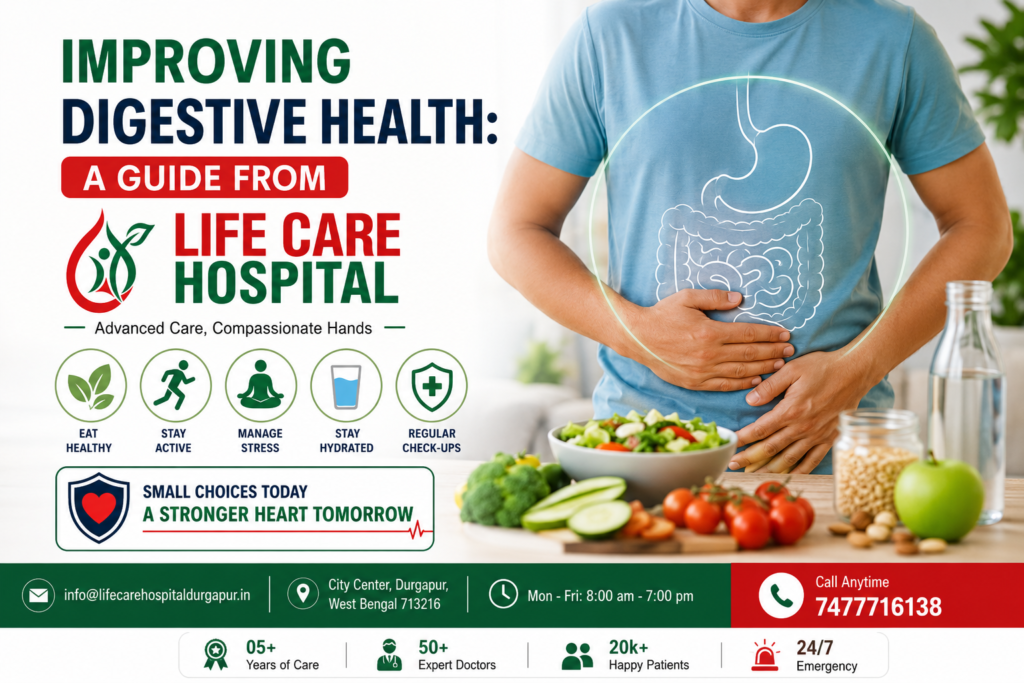
Good digestive health is the foundation of overall well-being. It influences energy levels, immunity, mood, and the body’s ability to absorb essential nutrients. Whether you experience occasional indigestion, persistent bloating, or chronic digestive conditions such as Irritable Bowel Syndrome (IBS) or acid reflux, adopting healthy lifestyle habits and seeking timely medical care can make a significant difference.
At Durgapur’s best hospital, healthcare specialists emphasize a comprehensive approach that combines proper nutrition, healthy habits, and advanced medical care to support long-term digestive wellness.
Understanding Digestive Health
The digestive system is responsible for breaking down food into nutrients that the body uses for energy, growth, and repair. When digestive function is disrupted, symptoms such as abdominal pain, bloating, gas, constipation, diarrhea, heartburn, and nausea may occur.
Common causes of digestive problems include:
- Unhealthy dietary habits
- Stress and anxiety
- Lack of physical activity
- Certain medications
- Infections
- Chronic conditions such as Gastroesophageal Reflux Disease (GERD), peptic ulcers, and inflammatory bowel disease (IBD)
Identifying the underlying cause is essential for effective treatment and long-term relief.
Practical Dietary Changes for Better Digestion
1. Include More Fiber-Rich Foods
Dietary fiber supports healthy digestion and regular bowel movements.
- Soluble fiber found in oats, apples, carrots, and beans helps regulate digestion and supports beneficial gut bacteria.
- Insoluble fiber found in whole grains, nuts, and seeds adds bulk to stool and helps prevent constipation.
Increase fiber intake gradually to minimize gas and abdominal discomfort.
2. Add Probiotic-Rich Foods
Fermented foods such as yogurt, kefir, kimchi, sauerkraut, and miso contain beneficial bacteria that help maintain a healthy gut microbiome. Individuals with severe IBS or Small Intestinal Bacterial Overgrowth (SIBO) should consult a healthcare professional before significantly increasing fermented food consumption.
3. Stay Well Hydrated
Adequate hydration supports digestion, nutrient absorption, and regular bowel movements. Drinking sufficient water throughout the day can also help prevent constipation.
4. Limit Trigger Foods
Certain foods and beverages may worsen digestive symptoms, including:
- Spicy foods
- Fried and fatty foods
- Excess caffeine
- Alcohol
- Artificial sweeteners
Identifying and limiting personal trigger foods can help reduce symptoms such as bloating, reflux, and diarrhea.
5. Practice Portion Control
Eating smaller, balanced meals throughout the day can reduce digestive strain. Avoid lying down immediately after eating, as this may increase the risk of acid reflux and heartburn.
Lifestyle Habits That Support Digestive Wellness
Regular Physical Activity
Exercise promotes healthy intestinal movement, reduces bloating, and supports weight management. Aim for at least 30 minutes of moderate physical activity on most days of the week.
Stress Management
The digestive system and brain are closely connected. Chronic stress can affect gut function and worsen digestive symptoms. Effective stress-management techniques include:
- Meditation
- Deep breathing exercises
- Yoga
- Mindfulness practices
- Progressive muscle relaxation
Prioritize Quality Sleep
Poor sleep can disrupt digestive processes and hormone regulation. Maintaining a consistent sleep schedule can support both digestive and overall health.
Avoid Smoking and Limit Alcohol
Smoking and excessive alcohol consumption can irritate the digestive tract and increase the risk of conditions such as acid reflux, ulcers, and liver disease.
When Should You Seek Medical Attention?
While occasional digestive discomfort is common, professional medical evaluation is recommended if you experience:
- Severe or persistent abdominal pain
- Unexplained weight loss
- Blood in the stool or black, tarry stools
- Recurrent vomiting
- Difficulty swallowing
- Persistent fever accompanied by digestive symptoms
Early diagnosis can prevent complications and improve treatment outcomes.
Advanced Diagnostic and Treatment Options
Modern gastroenterology departments use advanced diagnostic tools to accurately identify digestive disorders, including:
- Blood tests
- Stool analysis
- Breath tests for lactose intolerance and SIBO
- Upper GI endoscopy
- Colonoscopy
- Abdominal ultrasound
- CT scans and other imaging studies
Treatment plans are tailored to each patient’s condition and may include:
Medications
- Antacids and acid-suppressing medications for reflux and heartburn
- Antibiotics for specific bacterial infections
- Antispasmodic medications for IBS
- Laxatives or stool softeners for constipation
Nutritional Therapy
Personalized dietary plans can significantly improve digestive symptoms. Common approaches include:
- Low-FODMAP diets for IBS
- Lactose-free diets for lactose intolerance
- Gluten-free diets for celiac disease
Minimally Invasive Procedures
Endoscopic procedures may be recommended for diagnosing and treating ulcers, polyps, strictures, and other gastrointestinal conditions.
A multidisciplinary team comprising gastroenterologists, dietitians, physiotherapists, and mental health professionals often provides the most comprehensive care.
Durgapur’s Best Hospital: Patient-Centered Digestive Care
Life Care Hospital in Durgapur offers comprehensive gastroenterology services that combine advanced diagnostics, expert consultation, personalized nutrition guidance, and patient education. Life Care Hospital focuses on evidence-based treatment, continuity of care, and regular follow-up to ensure long-term digestive health.
Practical Self-Care Tips to Start Today
- Maintain a food and symptom diary to identify dietary triggers.
- Increase fiber intake gradually while staying adequately hydrated.
- Avoid overeating and late-night heavy meals.
- Take a 20–30 minute walk daily to support digestion.
- Practice relaxation techniques before meals to reduce stress-related digestive discomfort.
Conclusion
Maintaining good digestive health requires a combination of healthy daily habits and timely medical care. A balanced diet, regular exercise, stress management, adequate sleep, and proper hydration can go a long way in supporting digestive wellness.
If digestive symptoms persist or interfere with your daily life, seeking professional medical advice is essential. With Durgapur’s best hospital—Life Care Hospital can help you achieve lasting digestive health and improved quality of life. So, don’t forget to contact us in an emergency!